
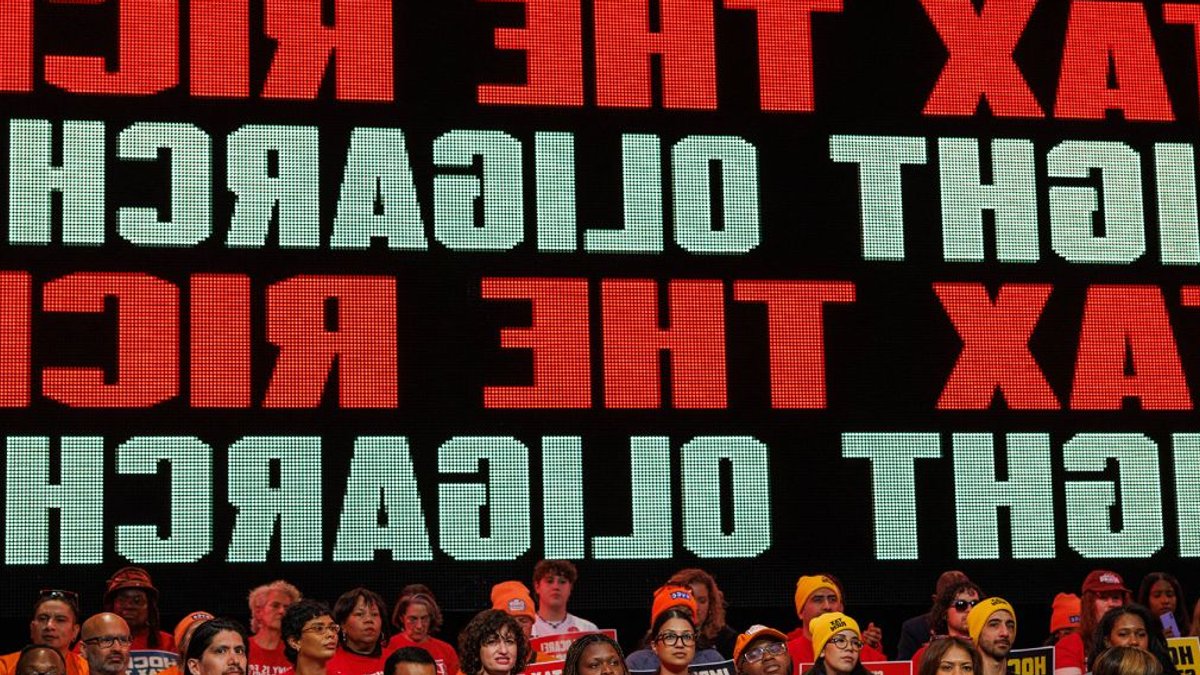
Albany could be ripe for revolution next year when a slew of socialists prepare to occupy the State Capitol for longer than a typical sit-in. Two months ago, a wave of candidates backed by Mayor Zohran Mamdani and the Democratic Socialists of America (DSA) won congressional primaries and secured seats in the New York State Legislature, promising to raise taxes on the wealthy, restrict aid to Israel, and make housing more affordable.
Victories and Ambitions
Among the victorious candidates were Claire Valdez and Darializa Avila Chevalier, who were endorsed by the DSA. These wins, along with a dozen other DSA-backed candidates, signal a substantial increase in socialist representation in Albany. The DSA’s NYC chapter, which played a key role in these victories, is now eyeing even greater influence in the state legislature.
“Our volunteer army elected the biggest socialist slate in New York history, and we’re going to bring that power to Albany to fight for the agenda they ran on. We don’t run candidates just to have friends in high places. We run candidates to put working people back in charge of our city and our state. The Democratic establishment should expect to hear a lot from us.”
— Grace Mausser, NYC-DSA co-chair
Related: Westbridge Realty Files Plans for Bronx 99‑Unit Buildings
The DSA’s long-term strategy has involved recruiting candidates and winning races at all levels of government to push the state’s more moderate Democratic-controlled chambers further left on fiscal and policy priorities. Recent socialist state legislators have contributed to expanded tenant protections and the establishment of a landmark climate law. Now, DSA-aligned incumbents hope to build on this momentum with a surge of new colleagues.
Taxes and Industry Concerns
State Sen. Kristen Gonzalez of Queens, a DSA member, expects the new legislature to continue pushing for higher taxes on the wealthy. She said, “I think we’ll tax the rich. That’s not new, but that’s a continuation of the work we’ve been doing.” However, the state’s business community has expressed concern about potential tax increases and regulations, warning that these policies could drive companies to relocate to other states.
James Whelan, president of the Real Estate Board of New York, cautioned, “These very policies have led to population loss, diminished representation and fewer electoral votes, and created the worst housing shortage in the city’s history.” Despite these warnings, left-leaning lawmakers remain undeterred, citing voter demands for significant changes in the state’s political establishment.
Brooklyn Assemblywoman Emily Gallagher, another DSA member, noted the impact of their campaign finance pledge: “We had pledged not to take real estate money, fossil fuel money or AIPAC. That changes the trends for how lobbyists move, what kind of legislation will be championed, and expectations districts have from us.”
Related: Nutter Law Firm Expands at Grand Central
Housing and Economic Policies
DSA legislators plan to prioritize increasing taxes on the wealthy and corporations to fund social programs. Earlier this year, Mamdani proposed boosting the corporate tax rate from 7.25 percent to 11.5 percent as well as adding an additional tax bracket for New York City residents earning more than $1 million in order to close the city’s steep budget shortfall. The DSA organized rallies in Albany to support this tax plan while both the state Senate and Assembly considered the proposal.
Brooklyn Assemblywoman Phara Souffrant Forrest is adjusting her Fair Share Act, which would impose a 2 percent surtax on individuals earning more than $1 million. She said, “We may make little changes in how we step up the taxes to 2 percent on the lower side of the brackets, so it’s not just a cliff.”
However, developers and lobbyists express skepticism about the appetite for tax reforms next year, citing the potential for a mass exodus of wealthy residents and businesses. Steven Fulop, president of the Partnership for New York City, warned, “You should have a framework for a budget and a reason for doing a certain thing. If New York considered a wealth tax similar to what California proposed, you’d see a mass exodus and it would ultimately lead to a larger challenge, because the budget is disproportionately carried by a small percentage of taxpayers.”
Meanwhile, the DSA candidates have also pledged to bring more affordable housing to their districts and support Mamdani’s goal of building 700,000 new homes across the city over the next decade. They plan to reintroduce a social housing bill and allocate more state resources for repairs and equipment upgrades in public housing complexes.
Related: Real estate agents must embrace constant change
However, some proposed policies, like a nine-member board to set rent increases for new commercial leases and a moratorium on new data center projects, have drawn opposition from business leaders. They argue that such regulations could threaten the vibrancy of retail corridors and hinder the state’s economic growth.
Despite these challenges, DSA legislators remain committed to their mission, acknowledging that Gov. Kathy Hochul may not support their wealth tax proposals. Brooklyn Assemblywoman Gallagher said, “The governor sees things very differently than the DSA cohort, but she sees how popular the movement is and how it’s spreading across the state. Ultimately, she can do what she wants, that’s what she has done. We’re going to push for what we want and with a lot of aggression no matter what we think she wants.”
Albany’s political setting is poised for a shake-up as the DSA’s influence continues to grow, potentially reshaping the state’s fiscal and policy priorities and challenging the status quo.


