
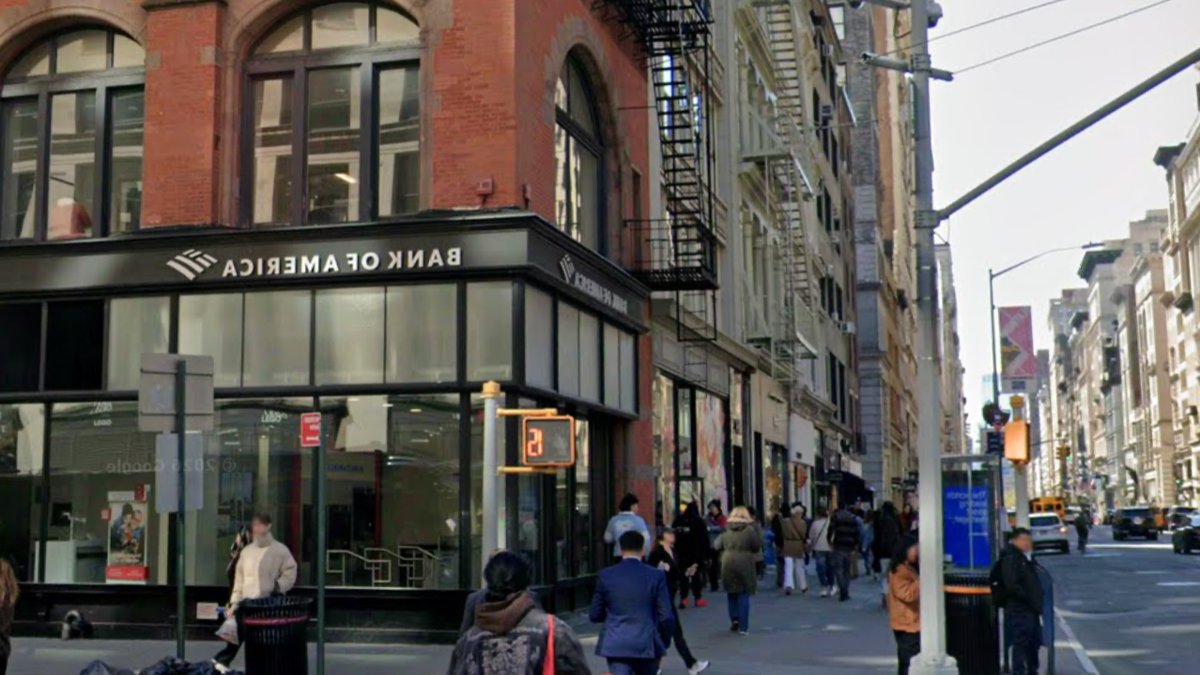
While thousands of bank locations have shut down across the United States recently, firms are increasing their physical footprint in Manhattan. According to JLL, Citibank and Bank of America secured two of the city’s largest retail leases in the third quarter, situated in the Upper West Side and Union Square. Because New Yorkers still want face-to-face financial assistance, banks are now competing for space within a highly competitive retail environment.
Significant Third-Quarter Agreements
Several substantial leases characterized this market activity. JLL reports that Bank of America leased 16,000 square feet at 19 Union Square W. during the previous quarter. Meanwhile, Citibank occupied 14,000 square feet at 170 W. 72nd St. Additionally, the brokerage identified OceanFirst Bank’s 4,000-square-foot space at 36 Union Square E. as a top lease in the Union Square-Flatiron submarket.
This trend is persisting into the current quarter. In mid-October, Matt Ogle, the executive managing director of retail for JLL’s NYC office, informed Bisnow that his team is handling five or six bank branch deals. Ogle described this level of activity as “abnormally high.”
Reasons for Maintaining Physical Sites
Between 2019 and the end of 2025, up to 6,000 branches closed across the U.S. as the public moved toward digital tools. The Wall Street Journal noted that 2024 alone saw approximately 1,354 of these shutdowns. NYC banks, however, are defying this pattern. According to brokers in remarks, these institutions are securing leases early to avoid being priced out by Manhattan’s intense real estate competition.
JLL’s report indicates that in Q3, availability in the nine primary retail corridors fell to a record low of 157 spaces. Ashton Saber, a senior research analyst at JLL, explained that most of this leasing involves strategic moves or renewals rather than expansion. This surge is driven by existing Manhattan tenants. Saber noted that banks with expiring leases are renewing them proactively, likely recognizing the current scarcity of available space.
Maintaining brand visibility is another reason banks are leasing in the city. Much like retailers who use physical stores to support their digital presence, banks treat these sites as marketing tools. Jason Richter, managing principal and founder of Capricorn Retail Advisors, argued that such a presence is key, especially since “Having that presence is important, especially when people are giving you their money.”
Targeting Affluent Demographics
The choice of locations reveals the banks’ target audiences. Ogle mentioned that many are prioritizing submarkets frequented by high net worth individuals. To attract wealthy office employees, banks might seek Midtown sites. Alternatively, they target residential populations by choosing specific neighborhoods or spots adjacent to grocery stores.
Shifts in Design Strategy
This new site is part of a broader effort by Wells Fargo to invest in its New York network, tailored to community needs and customer demand. In a statement, Ethan Wingfield, who leads branch channel management for the bank, acknowledged the rise in mobile and online banking. However, he clarified that this doesn’t imply a preference for a purely digital experience. Wingfield stated, “We’re seeing customers increasingly visit our branches for financial advice and guidance.”
Wells Fargo’s New Upper West Side Location
The bank opened a branch at Broadway and 109th Street in mid-October. This site sits at the heavily residential northern tip of the Upper West Side. Wells Fargo designed the space to offer an expanded consultation area.
Implications for the Broader Retail Market
Ogle suggested that bank leasing trends in NYC reflect the overall health of the retail industry. While the pandemic and the growth of e-commerce led many retailers to shrink their physical footprints, the period following the pandemic saw a spike in consumer spending. People returned to physical shops to engage with brands and experience products firsthand. This led to a surge in Manhattan retail demand, even after the premier spaces were taken.


