
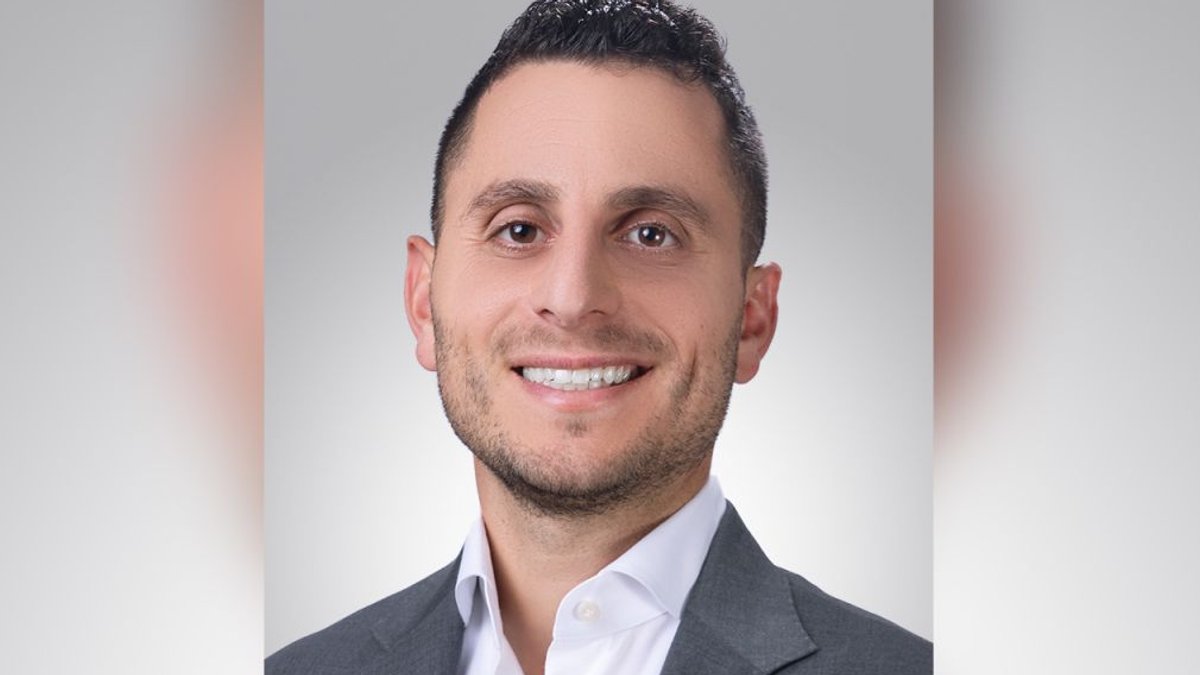
Anthony Cohen of Northmarq has spent six years in commercial real estate, already amassing a portfolio of deals worth over $1 billion in cumulative volume. As a managing director in Northmarq’s Los Angeles office and co-leader of the firm’s national net-lease and sale-leaseback group, Cohen’s background blends finance and real estate—first at J.P. Morgan, then in distressed debt brokerage, and now in high-volume transactions. At 34, he leads a team of five producers at Northmarq, a firm recognized for its expertise in leasing, sales, and debt structuring. His work focuses on helping businesses optimize real estate as part of broader financial strategies, a role that leverages his dual expertise in structuring transactions and advising on asset utilization.
From Wall Street to Real Estate: A Shift in Strategy
Cohen’s path into commercial real estate began after two years at J.P. Morgan, where he thrived as a financial analyst but found the corporate climb slow. “You just have to put in the hours and the years, and you’ll eventually be moving up the ladder,” he said. The rigid structure of finance didn’t match his desire for flexibility, so he pivoted to real estate—first in distressed debt, then in net-lease brokerage. His first major move was to New York, where he joined a startup hunting for non-performing loans.
Within two years, the team brokered $70 million in distressed debt, including a building recapitalization. The experience gave him hands-on exposure to real estate as an asset class, not just a holding. “It was really a combination of the two: helping businesses buy and sell, and advising on the real estate portion of that,” he said. By late 2019, he earned his broker’s license and never looked back, marking the start of his six-year career in brokerage since 2020.
Today, his team at Northmarq handles sale-leaseback transactions, where businesses sell property they occupy to investors and lease it back—freeing up capital for expansion. One recent deal involved a food manufacturer in Pennsylvania needing $30 million in upgrades. Cohen structured a sale where the company bought the building for $13 million, then sold it to an investor for $28.5 million. The extra proceeds reduced the manufacturer’s equity burden by $14 million to $15 million, solving a cash-flow crunch without debt. The manufacturer served high-profile clients in the quick-service restaurant industry, making the strategic use of real estate critical for scaling operations.
Read Also: Ailanthus Plans 400 Apartments at 424 Hoyt Street
Gas stations and travel centers are now his firm’s hottest sector. Unlike traditional retail, these assets offer 100% depreciation in year one (excluding land value), making them tax-efficient for buyers. “And I think people are moving away from the Walgreens-type investments and CVSs because the outlook on pharmacy or how much space they’re going to need in the future is changing,” he said.
His firm has closed $200 million in sale-leaseback deals for a single client, an operator of over 100 travel centers, helping them scale from $1 billion to $2.7 billion in annual revenue. The client’s growth reflects broader trends in the industry, where M&A activity has accelerated demand for flexible capital solutions. These assets, including general C-store gas stations and larger travel centers, have been sold across nearly every state, from Texas and Colorado to Arizona and beyond.
Multifamily markets tell a different story. In Los Angeles, where Cohen lives, sellers are holding prices despite fewer buyers. But in fast-growing markets like Texas and Florida, oversupply has dragged down rental rates. “Now that it’s expensive to build more units, that’s sort of catching up to each other,” he said.
Taxes, Rates, and the Next Move
The real estate market’s biggest unknown remains interest rates. Cohen has spent three years in a “purgatory of high rates,” and while he’s not betting on a near-term drop, he’s watching closely. “I think it’ll be interesting to see if interest rates go down, how the market will react,” he said.
Read Also: Reuben Brothers Bet Big on Century City
Lower borrowing costs could unlock stalled deals, but for now, buyers are focused on assets that deliver immediate tax savings, like gas stations, rather than speculative bets. The shift reflects broader trends, where investors prioritize cash flow and depreciation benefits over traditional retail, where foot traffic and space needs remain uncertain. Assets like car washes and oil change sites, alongside gas stations, now rank among the most sought-after due to their accelerated depreciation advantages.
The shift reflects broader trends. Investors prioritize cash flow and depreciation benefits over traditional retail, where foot traffic and space needs are uncertain. Cohen’s role, bridging finance and real estate, lets him capitalize on that demand. His team of five producers at Northmarq targets deals where real estate isn’t just a cost center but a financial tool. The firm’s expertise in structuring net-lease and sale-leaseback transactions aligns with the current market’s focus on tax-efficient assets and operational flexibility.
For businesses, the strategy is simple: use property as leverage. For investors, it’s about finding assets that generate returns beyond rent. And for Cohen, it’s about proving that real estate can be as dynamic as any financial instrument, if you know how to structure it. His approach emphasizes creative solutions, such as combining sale-leasebacks with capex funding, to address client needs without traditional debt.
His next focus? Keeping up with the pace. “I’m not counting on rates dropping,” he said. “But if they do, we’ll be ready.”

