
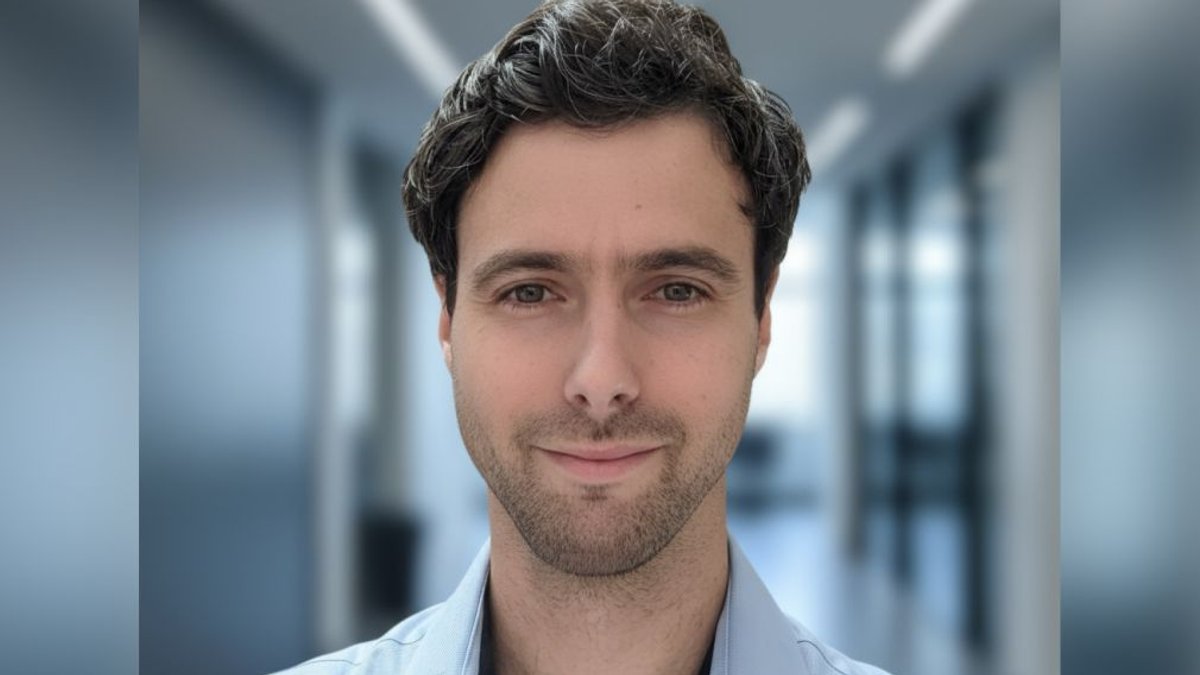
Spacial, an artificial intelligence-powered engineering platform for residential construction, has announced that Ravid Shwartz-Ziv has joined the company as a scientific adviser. Shwartz-Ziv, an assistant professor and faculty fellow at New York University’s Center for Data Science, leads large language model research focused on using information theory to explain what neural networks actually learn.
He will work closely with Spacial’s research and engineering teams, advise on major technology decisions for the platform, and assist the founders in establishing its research road map. This move is expected to enhance Spacial’s capabilities in converting two-dimensional architectural drawings into 3D, code-compliant construction documents.
Spacial’s platform can turn 2D plans into stamped structural and mechanical, electrical and plumbing (MEP) permit sets in days using AI, plus licensed engineer review. The platform also features built-in design conflict detection, architectural detailing, and local code validation.
Related: Hot Town Summer in City
Founded in 2024, the Palo Alto, Calif.-based startup aims to improve the construction industry with its AI-powered engineering platform. Maor Greenberg, co-founder and CEO of Spacial, emphasized the importance of confidence in the platform’s output, saying that the construction industry lacks a shared standard for proving that an AI-generated plan is accurate and code-compliant.
Shwartz-Ziv has spent several years benchmarking and evaluating AI systems, which is relevant to the problem of measuring the accuracy and code-compliance of AI-generated plans. He will guide the evolution of Spacial’s core technology, a model trained to understand buildings as systems of physical relationships.
The goal of this technology is to produce permit-ready engineering documents for construction projects. Shwartz-Ziv’s research on information theory and model evaluation is closely aligned with this goal. He earned a doctorate in brain science and computer science from Hebrew University of Jerusalem and has worked as an AI researcher at Meta.
Related: City Demands Occupancy Certificates for Building Modifications
Confirming a model’s genuine understanding of buildings as physical systems is a key question that Shwartz-Ziv’s work was built to answer. He looks forward to supporting the Spacial team as an adviser.
In 2025, Spacial secured $10 million in funding by demonstrating its ability to document progress, reduce rework, and compress pay-app cycles. According to the Center for Real Estate and Technology & Innovation (CRETI), investors want construction intelligence that produces lender-acceptable evidence, not optional workflow enhancements.
Philip Russo can be reached at [email protected].


