
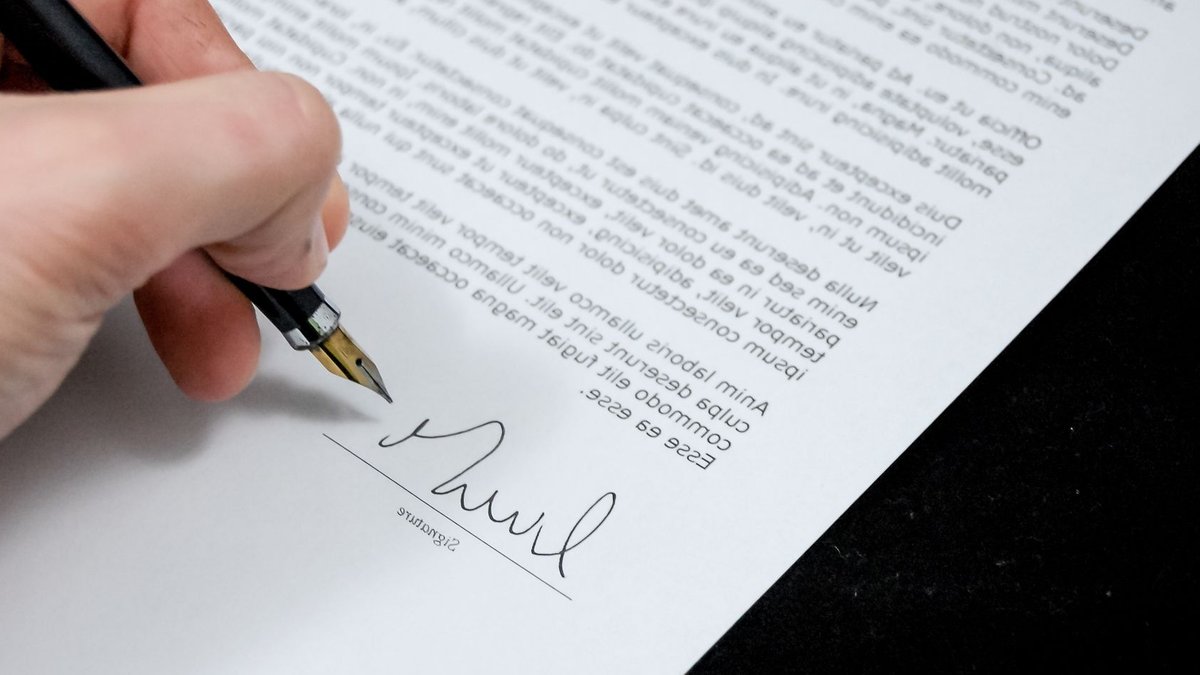
A deed is a legal document that transfers the ownership of a property from the seller to the buyer, describing the property and its boundaries, and naming the grantor and grantee. Unlike a title, which refers to the concept of the legal right to ownership, a deed is a tangible document that makes the transfer of ownership official.
Deeds must also describe the grantee’s rights and include “words of conveyance” or a “granting clause” to make the transfer of ownership official. They should also contain a “consideration clause,” which specifies what the grantee gave the grantor for the property, typically the sales price, unless the home was given as a gift.
Types of Deeds
There are several types of deeds, including the general warranty deed, special warranty deed, and quitclaim deed. A general warranty deed promises the buyer complete legal ownership and that the property is free of any liens or encumbrances not described in the deed.
In contrast, a special warranty deed promises that the seller has done nothing to create defects to the property while they owned it, but does not protect the buyer against any defects or debts that arose outside the period of time that the seller was in possession of the home.
A quitclaim deed offers no warranty to protect the buyer if there are encumbrances on the property, and simply transfers ownership from grantor to grantee. These deeds may be used when parents are transferring property to children, one spouse transferring property to another, or individuals transferring properties to LLCs or trusts, without money changing hands.
Related: Bidding wars push home prices past asking
Special Purpose Deeds
Special purpose deeds are typically used in court proceedings under specific circumstances. A tax deed, for instance, transfers property ownership to the government when taxes have not been paid on a home, and the property is then sold at auction.
An executor’s deed may be used to transfer the ownership of a home from a deceased person to the recipient named in their will. Administrator’s deeds, by contrast, are used when a person dies without a will, and involves a court-appointed executor conveying ownership to a grantee.
Buyers and sellers must both determine which type of deed is the right fit for them, considering factors such as the level of protection offered and the potential need for title insurance. Sellers should ensure they have outlined any potential property issues on the deed, while buyers should consider conducting a title search to further protect themselves from outstanding liens and other issues with the property.
According to the document, deeds are often one or two pages long, and both parties must sign the document to make the transfer of ownership official. The property deed is a critical component of the home buying process, and understanding the different types of deeds can help buyers and sellers make informed decisions.
Ultimately, the type of deed used in a property transaction will depend on the specific needs and goals of the parties involved. By understanding the different types of deeds and their implications, buyers and sellers can make informed decisions and ensure a smooth transfer of ownership, which is essential for a successful home buying process.

